

Over the years, I have become less interested in asking what is wrong with someone and more interested in understanding why a particular way of living became necessary.
Why does one person respond to conflict by becoming angry while another disappears? Why is needing someone intolerable for one person and consuming for another? Why can it feel safer to remain distant, overfunction, take control, or become whatever the other person needs?
I do not assume a reaction is irrational simply because it is causing problems. I want to know what it protects, what it prevents, and why giving it up can feel more threatening than continuing to suffer.
That perspective has shaped the way I listen and the way I practice. I am interested not only in what happened to a person, but in what they came to believe about themselves, other people, and what relationships require.
The purpose of the work is not to produce a better explanation of your life. It is to make it possible to live differently.
I am an active and engaged therapist. I listen closely, ask direct questions, and say what I am noticing. I will not sit silently while you try to determine what I am thinking, nor will I reduce the work to advice, exercises, or strategies that leave the deeper problem untouched.
I pay attention to the parts of your experience that do not fit neatly together. What you say you want and what you find yourself doing. What you feel and what you allow yourself to know. What happens when you need someone, disappoint someone, become angry, feel exposed, or risk being fully known.
These moments often tell us more than a polished account of the problem.
My work is grounded in psychoanalytic and psychodynamic psychotherapy, with advanced training in attachment, developmental trauma, personality, neurobiology, and couples therapy. The theory helps me listen carefully and understand what may be happening beneath the surface, but the theory is not the center of the work. You are.
I am not interested in imposing an idea of who you should become. I am interested in helping you recognize where you abandon yourself, where fear narrows your choices, and what becomes possible when you no longer have to live from the same old position.
The work matters when it changes how you live, love, choose, speak, and respond outside the therapy room.

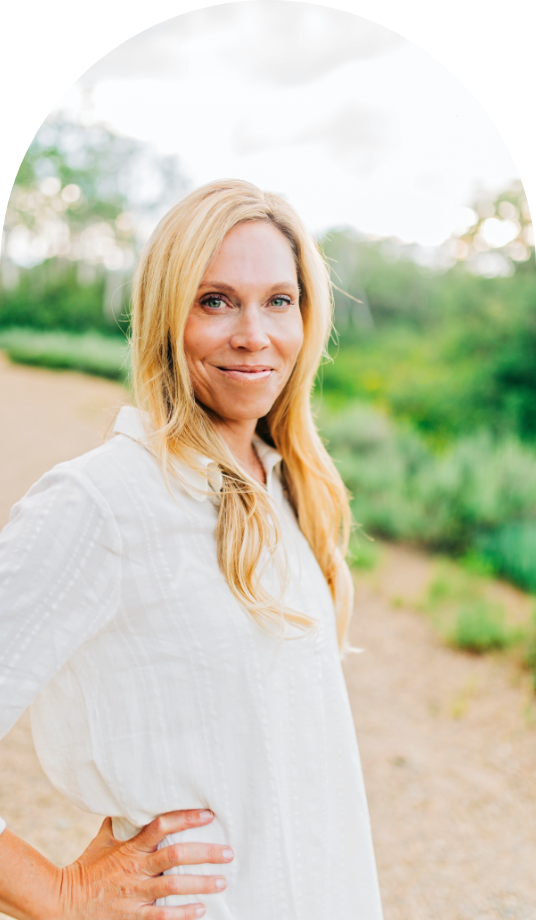
My work is informed by two decades of clinical experience and advanced training in psychoanalytic psychotherapy, attachment, personality, developmental trauma, neurobiology, and couples therapy.